
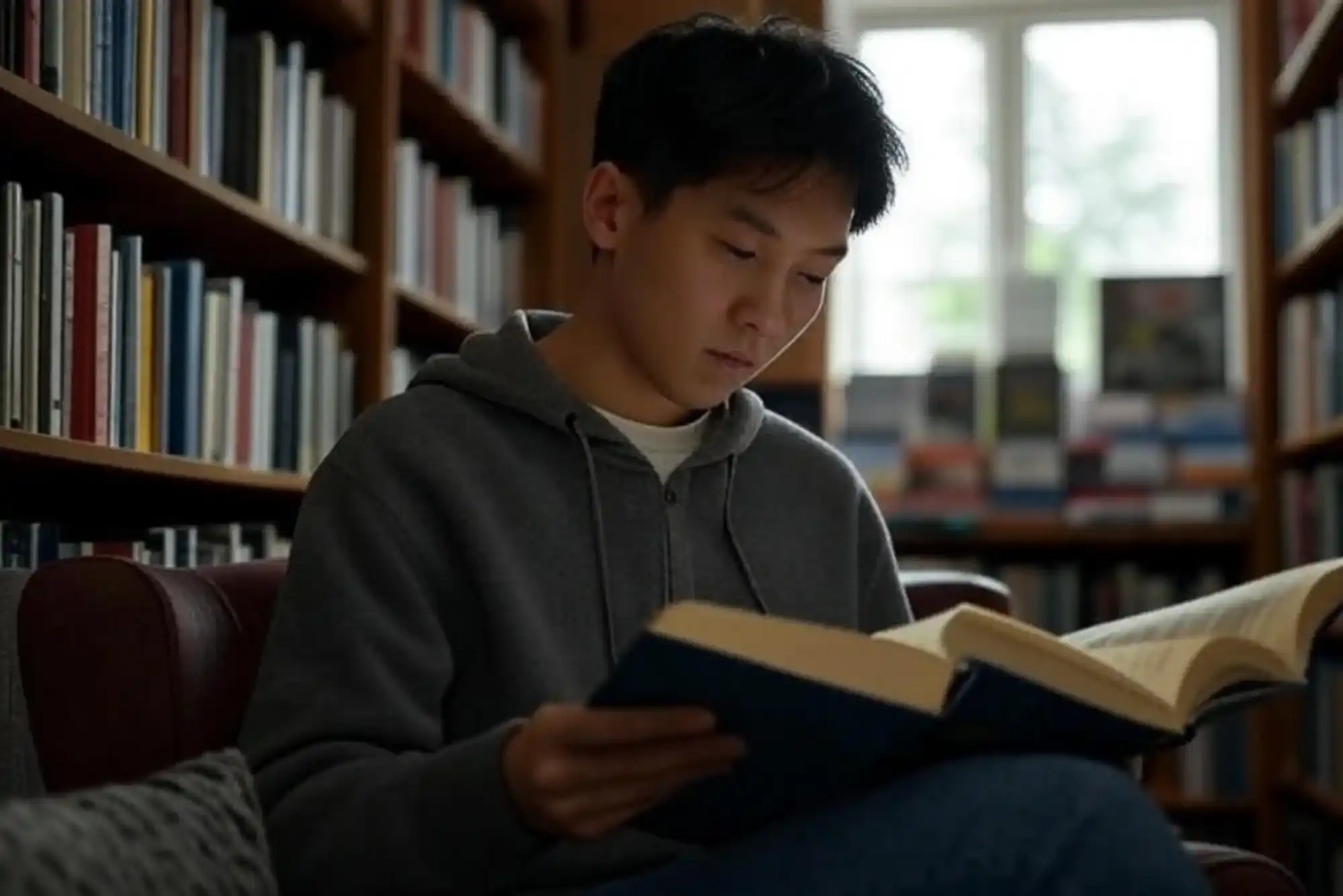
Books have always been more than just ink on paper. They are mirrors, windows, and doors to different realities. From fantastical tales of wizards and dragons to thought-provoking psychological novels, literature caters to every imagination. Yet, there’s something profoundly different about real story based books—stories drawn from the fabric of actual lives. They tend to strike harder, linger longer, and often reshape the way readers view the world. But why do they resonate more deeply than fiction?
As someone who has read everything from Dostoevsky’s psychological novels to modern nonfiction narratives like “Educated” by Tara Westover, I’ve found that real-life accounts possess a rawness that fiction often cannot replicate. Let’s explore why real story based books are so impactful—and perhaps, why we often remember them far longer than even the most captivating works of fiction.
Authenticity That Cannot Be Fabricated
At the heart of every real story based book lies authenticity. These books aren’t constructed in the mind of a novelist attempting to simulate life—they are life. They stem from lived experiences, actual events, and unfiltered emotions. There’s no suspension of disbelief required; readers know they are walking in someone’s real shoes.
Reading a memoir about escaping war-torn regions or overcoming addiction hits with a force fiction often struggles to achieve. There’s a psychological effect to knowing that someone actually endured what you’re reading. It’s not imagination—it’s survival. The stakes are higher, and so is the emotional connection.
Empathy Amplified
Empathy is a powerful force in storytelling, and real story based books excel at nurturing it. While fiction often invites empathy, nonfiction demands it. When we read about someone’s true story—particularly stories that revolve around trauma, perseverance, injustice, or triumph—we aren’t just entertained. We’re educated, moved, and sometimes, even transformed.
A great example is “The Diary of Anne Frank.” Despite its simplicity, the book shakes readers to their core because it offers a child’s perspective on one of the darkest periods in human history. It’s more than a story—it’s a documented reality, and that alone makes the emotions behind it more potent than a fictional war tale.

Psychological novels can create intense emotional experiences, yes, but they often involve symbolic scenarios, fabricated conflicts, or hypothetical what-ifs. A real story based book removes the filter and brings forward the unembellished truth, and with that comes a depth of empathy that’s difficult to match.
Relatability That Grounds the Reader
One of the most subtle but significant powers of real-life stories is their relatability. Readers often find echoes of their own lives in memoirs, autobiographies, or personal essays. When someone reads about a person growing up in poverty, enduring family dysfunction, or battling mental illness, it feels familiar. It says, “You’re not alone.”
Even the most celebrated psychological novels like “Crime and Punishment” or “The Bell Jar” tap into the human psyche in compelling ways. However, the fact that they are fictional places an inherent distance between reader and narrative. Real story based books remove that distance. They invite readers to connect directly to the author’s life and, by extension, to their own.
Emotional Honesty Over Artistic License
Fiction is often curated for narrative flow. Characters are molded, dialogues refined, and events strategically placed to evoke emotion. It’s beautiful, no doubt—but it’s designed. Real stories, on the other hand, are unpredictable, unfiltered, and sometimes even uncomfortable in their honesty.
This emotional honesty creates deeper engagement. Readers appreciate vulnerability. When someone shares their failures, their grief, or their personal demons without embellishment, it resonates. The raw emotion present in real story based books is a kind of storytelling that doesn’t rely on metaphor or allegory. It speaks plainly and powerfully.
Books like “When Breath Becomes Air” by Paul Kalanithi or “Man’s Search for Meaning” by Viktor Frankl are moving not because of polished storytelling, but because of their stripped-down sincerity. They deliver gut punches without the need for dramatics.
Learning from Lived Experience
Fiction can teach valuable lessons—there’s no denying that. But lessons drawn from real experiences often stick longer and hit harder. Real-life accounts offer more than insight—they offer evidence. These are people who have been there, who have survived things we fear, fought battles we hope to avoid, or achieved dreams we aspire toward.
When a recovering addict writes a memoir or a refugee shares their journey in a book, the reader gains not just knowledge but perspective. There’s an immediacy in learning from real events. You absorb not only the facts, but also the emotional landscapes that came with them.
It’s similar to how we learn from elders telling us family history. Fiction may inspire, but lived experience educates on a human level that academic text or fictional metaphor cannot always reach.
Real Stories Foster Social Awareness
In today’s polarized world, empathy and awareness are more essential than ever. Real story based books bridge cultural and political divides by humanizing experiences. Books like “I Am Malala” or “Born a Crime” by Trevor Noah do more than tell a story—they open up entire cultural narratives that many readers might never encounter otherwise.
Through real-life storytelling, readers are exposed to systemic issues such as racism, gender inequality, war, mental illness, and poverty—not in theory, but in the form of individual lives. It’s one thing to read statistics, but another entirely to read about a young girl’s struggle to go to school or a man’s experience growing up in apartheid South Africa.
This educational component is something that even the most thoughtfully written psychological novels can only approximate.
The Emotional Afterglow
There’s something that lingers after finishing a real story based book. It’s not just the narrative that stays—it’s the person. You remember the face behind the name, the voice behind the page. You might even Google them afterward, watch interviews, or read follow-ups. The bond formed between reader and subject is more personal than fictional characters can usually achieve.
When I finished reading Jeannette Walls’ “The Glass Castle,” I felt as though I had lived a second life. I didn’t just finish a book—I finished a journey, a real one. That emotional afterglow is unique to nonfiction storytelling. Fiction may give you closure, but real stories often leave you changed.
Fiction Has Its Place—But Reality Often Wins
This isn’t to say that fiction, or even psychological novels, are somehow less than. On the contrary, they offer imaginative freedom, nuanced storytelling, and psychological depth that nonfiction sometimes lacks. Works like “1984” or “The Catcher in the Rye” are masterpieces of introspection and emotion. Psychological novels allow for metaphorical exploration of the human condition in ways real-life stories sometimes cannot.
But if we’re talking about impact, about the stories that leave readers emotionally shifted or socially awakened, then real story based books usually come out ahead. They confront readers with truths—unfiltered, uncomfortable, but essential. They don’t let us escape reality; they pull us deeper into it.
Final Thoughts: Why We Need More Real Stories
In a world increasingly shaped by media, algorithms, and virtual experiences, real stories are grounding. They connect us to the core of what it means to be human. They remind us of our fragility, resilience, humor, pain, and hope.
Books based on true events allow us to see the world not just through the lens of imagination, but through the eyes of someone who has lived it. That perspective is irreplaceable.
So the next time you’re browsing for your next read, don’t overlook the memoir section or the shelf of biographies. The person behind those pages might just change your view of the world—and yourself.



Leave a Reply