Introduction
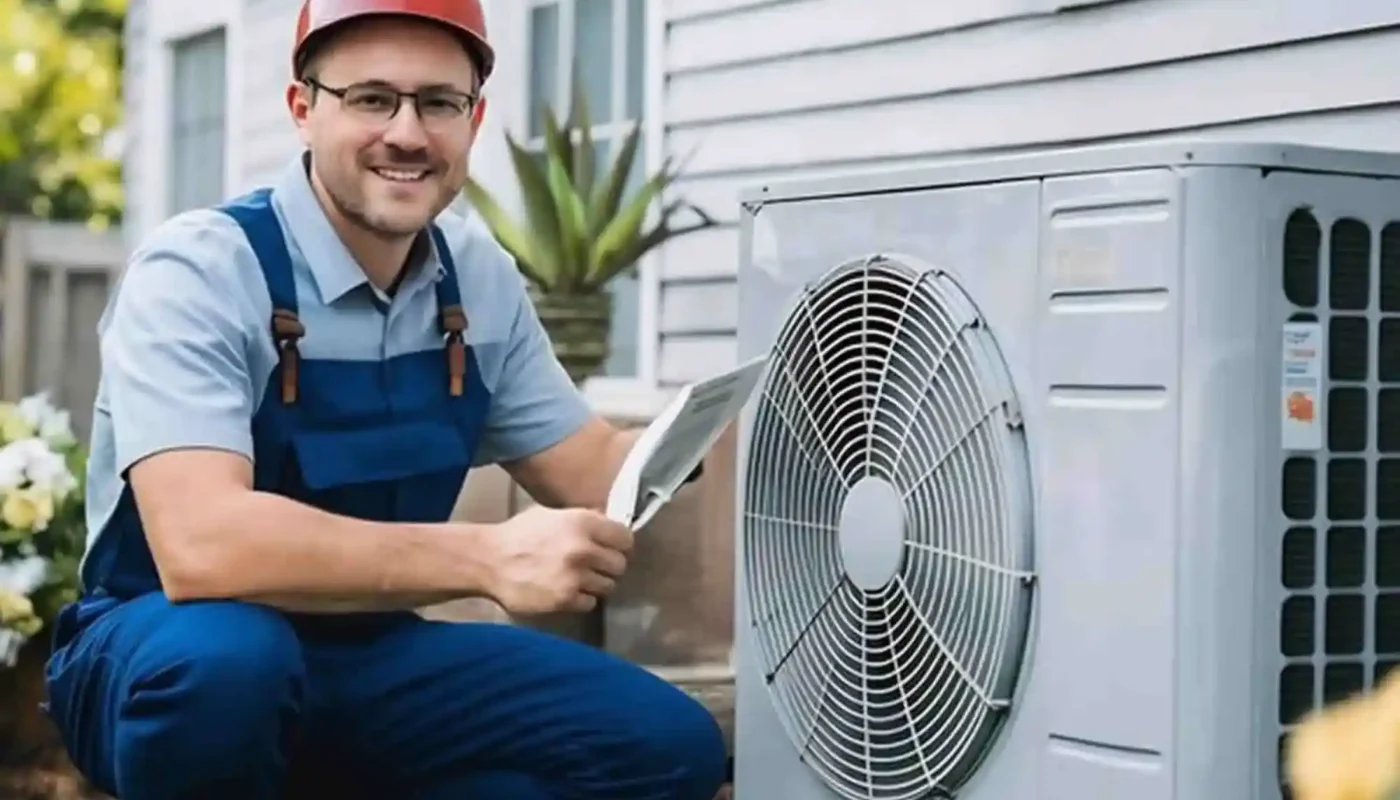
Knowing How to Know When Your AC Needs Immediate Repair can save you from uncomfortable indoor temperatures, higher energy bills, and expensive system damage. An air conditioner rarely fails without warning. In many cases, unusual sounds, weak airflow, poor cooling, or electrical problems appear first.
Ignoring these signs can make a small fault worse. Therefore, homeowners and property managers should understand when professional attention is necessary. This is especially important in hot climates, where an AC system may operate for long hours.
A quick response can protect the compressor, improve efficiency, and extend the equipment’s service life. It can also help maintain a comfortable and healthy indoor environment.
How to Know When Your AC Needs Immediate Repair
The clearest warning signs include sudden loss of cooling, strange noises, burning smells, electrical issues, water leaks, and repeated system shutdowns. These problems can indicate faults that require professional inspection.
If your AC behaves differently from normal, do not assume the issue will disappear. Some faults become more expensive when the system continues running.
A qualified technician can inspect the unit and identify the underlying cause. Professional diagnosis is particularly important when electrical components, refrigerant, or the compressor may be involved.

Your AC Suddenly Stops Cooling
One of the most obvious signs is a sudden loss of cooling. The system may run continuously while the room remains warm.
Several problems can cause this condition. Dirty filters, blocked condenser coils, refrigerant issues, thermostat faults, and compressor problems are common possibilities.
First, check whether the thermostat has the correct settings. You can also inspect the air filter if it is easily accessible.
However, persistent poor cooling needs professional attention. Continuing to operate an ineffective system can increase energy consumption and place additional stress on its components.
Weak or Reduced Airflow
Weak airflow is another important warning sign. You may notice that air comes from the vents but does not circulate properly.
A clogged filter is one possible cause. Blocked ducts, damaged blower components, and duct leakage can also restrict airflow.
If only certain rooms have weak airflow, the problem may involve the ductwork. However, if airflow has dropped throughout the property, the AC system itself may require inspection.
Do not ignore a significant change in airflow. Your AC may be working harder without delivering the expected cooling.
Strange AC Noises Should Not Be Ignored
Air conditioners naturally make some operating sounds. However, sudden or unusual noises can indicate mechanical problems.
Grinding sounds may suggest damaged bearings or other moving components. Screeching can indicate problems with belts or motors.
Banging or rattling may mean that a component has become loose. Clicking sounds during startup can sometimes indicate electrical or control problems.
If a new noise appears suddenly, switch the system off when appropriate. Then arrange a professional inspection rather than continuing normal operation.
Burning Smells Coming From the AC
A burning smell is a serious warning sign. It should never be treated as a normal AC operating smell.
The smell could result from overheating electrical components, damaged wiring, or a failing motor. In some situations, continued operation could create a safety hazard.
Turn off the system if you notice a strong burning or electrical odor. Avoid opening electrical panels or attempting repairs yourself.
Instead, contact a qualified HVAC professional. Electrical faults require proper testing and safe handling.
Water Leaking Around the Indoor Unit
Water around an indoor AC unit is another sign that should receive attention. A small amount of condensation is normal, but visible leakage is not.
A blocked condensate drain is a common cause. However, frozen coils, drainage problems, or installation issues can also contribute.
Ignoring water leakage can damage ceilings, walls, flooring, and furniture. Persistent moisture may also contribute to unwanted mold growth.
Professional inspection can identify the source before the damage spreads.
Frequent AC Cycling
An AC that repeatedly turns on and off may have a performance problem. This behavior is often called short cycling.
Short cycling can result from thermostat problems, restricted airflow, incorrect system sizing, or component faults. It can also increase wear on the compressor.
The system may consume more electricity while providing inconsistent comfort. Over time, repeated starting can place additional stress on important components.
If your AC frequently cycles without reaching a stable temperature, arrange a professional assessment.
Rising Electricity Bills Without Increased Usage
An unexplained increase in electricity consumption can indicate declining AC efficiency.
A dirty filter can make the system work harder. Dirty coils, refrigerant problems, aging components, and restricted airflow can also reduce efficiency.
Compare your current usage with previous periods. If your cooling habits have not changed significantly, investigate the AC system.
Higher energy consumption does not always mean the AC needs replacement. Sometimes, proper cleaning, maintenance, or targeted repair can restore efficient operation.
Ice Forming on the AC Unit
Ice on an air conditioner may look harmless, but it can indicate an underlying problem. Refrigerant issues and restricted airflow are common causes.
A dirty filter can reduce airflow across the evaporator coil. This may cause the coil temperature to drop excessively and create ice.
Running the system while it is heavily iced can make the problem worse. It may also prevent the AC from cooling correctly.
If you notice significant ice buildup, turn the system off and seek professional advice. A technician can determine why freezing is occurring.
Unusual Refrigerant-Related Problems
Refrigerant is essential for transferring heat from indoor air. A system with insufficient refrigerant may struggle to cool the property.
Low refrigerant can occur because of a leak. Simply adding refrigerant without finding the source may provide only a temporary solution.
A professional should check the system for leaks and determine the correct refrigerant charge. Refrigerant handling should be performed by trained technicians.
If your AC suddenly performs poorly while running continuously, refrigerant problems should be considered.
AC Electrical Problems Need Immediate Attention
Electrical issues are among the most important AC problems to address quickly.
Warning signs include tripped breakers, flickering power, burning smells, buzzing sounds, and repeated electrical shutdowns.
Do not repeatedly reset a breaker when the AC keeps tripping it. The repeated fault may indicate an electrical or component problem.
Professional technicians can test the electrical system safely. They can also determine whether the problem involves wiring, capacitors, motors, controls, or another component.
When the AC Compressor Shows Warning Signs
The compressor is one of the most important and expensive components in an air conditioning system. Problems involving it should receive prompt attention.
A failing compressor may cause poor cooling, unusual sounds, excessive electrical consumption, or repeated shutdowns.
Compressor problems can sometimes be related to other system faults. For example, poor maintenance or electrical issues may place additional stress on the compressor.
Early diagnosis can help determine whether repair is practical. It may also prevent additional damage to the system.
How Delaying AC Repair Can Increase Costs
Small AC problems do not always remain small. A restricted filter can reduce airflow and increase system strain.
Likewise, ignoring an unusual noise may allow a mechanical component to deteriorate further. Electrical faults can also become more serious when the system continues operating.
Delayed repairs may eventually require more extensive component replacement. In some situations, repeated breakdowns can shorten the overall life of the AC system.
For this reason, understanding How to Know When Your AC Needs Immediate Repair is valuable for both homeowners and businesses.
Why Professional AC Diagnosis Matters
AC systems contain electrical, mechanical, and refrigeration components. Diagnosing these systems requires more than simply checking whether cold air comes from the vents.
A professional technician can inspect airflow, electrical connections, coils, refrigerant conditions, drainage, and system controls.
Professional diagnosis also reduces the risk of replacing the wrong component. Instead of treating symptoms, a technician can identify the underlying problem.
This approach can save money and help restore reliable performance.
Choosing the Right AC Professional
When immediate repair is required, choose a service provider with relevant HVAC experience. Look for technicians who understand your AC system and can provide proper diagnostic work.
For major brands, working with a reliable supplier can also be helpful when replacement components or technical support are needed. If you are researching an o general ac distributor, you can learn more about suitable AC products and supplier options before making equipment decisions.
Similarly, anyone comparing cooling equipment may research a carrier ac distributor to understand available systems, specifications, and professional supply options.
However, distributor information should not replace professional repair diagnosis. The right solution depends on the condition, age, design, and requirements of your existing AC system.
Repair or Replace Your AC?
Not every AC problem means the entire system needs replacement. Minor issues can often be corrected through cleaning, component repair, or proper servicing.
However, an older system with repeated breakdowns may become increasingly expensive to maintain. Frequent compressor problems and major refrigerant issues can also affect the repair decision.
A professional can assess the system’s condition and explain the available options. Consider repair costs, system age, efficiency, reliability, and expected future maintenance.
Making the decision based on these factors can prevent unnecessary spending.
How Regular Maintenance Prevents Emergency Repairs
Regular maintenance is one of the best ways to reduce unexpected AC failures. Maintenance helps identify developing problems before they become major faults.
Filters should be checked and replaced or cleaned according to the manufacturer’s recommendations. Outdoor and indoor components should also remain free from excessive dust and obstruction.
Professional maintenance can include inspection of coils, drainage, electrical components, airflow, and other important areas.
In hot climates, regular servicing becomes especially valuable because AC systems often operate under heavy loads.
When Should You Turn Off Your AC?
Some problems require you to stop using the AC until it has been inspected. Burning smells, electrical faults, severe water leakage, unusual mechanical noises, and repeated breaker trips deserve immediate attention.
If continuing operation appears unsafe, turn the system off and contact a qualified professional.
Do not attempt complicated electrical or refrigerant repairs yourself. Incorrect repairs can damage the equipment and create safety risks.
A cautious response is usually better than allowing a potentially serious fault to continue.
Conclusion
Understanding How to Know When Your AC Needs Immediate Repair helps you respond before a minor issue becomes a costly breakdown. Sudden cooling loss, weak airflow, strange noises, burning smells, water leakage, ice buildup, and electrical problems should never be ignored.
Discover fresh ideas, practical insights, and useful resources about modern living, property, and urban development. From understanding new housing trends to exploring lifestyle opportunities, staying informed can help you make smarter decisions. For more information, helpful updates, and insights related to modern communities and city living, visit Noval City and explore what it has to offer.
Related Reading: How to Request Custom Handmade Belt Buckles in Texas From Judge Leo Smith’s Buckles
Related Reading: Jewel Magic Vortragen — full guide
Related Reading: أفضل دكتور نسائية في الرياض: رعاية متكاملة لكل امرأة — full guide
Related Reading: Auswahlen Sie wie am schnurchen Das Lieblingsspiel & setzen Diese entfesselt! — full guide
Related Reading: AviaMasters: Gra o upadku z nieba, która trzyma Cię na krawędzi — full guide